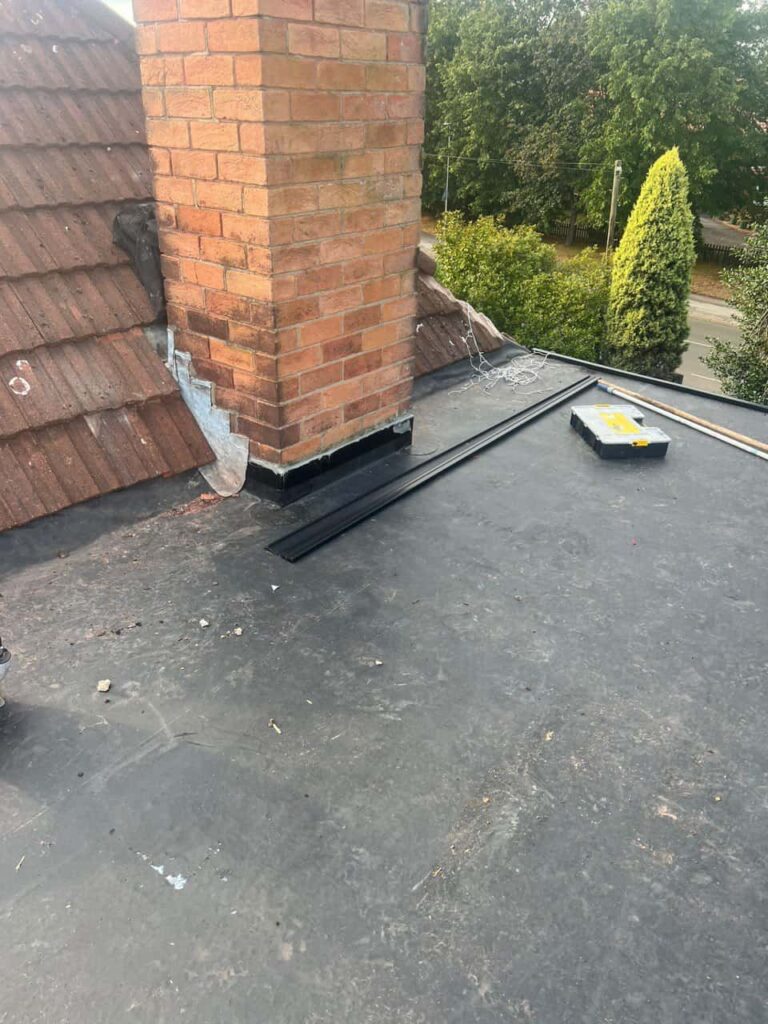
Pitched roof valleys play an important role in protecting a property from water damage. Formed where two sloping sections of a roof meet, they create a channel that directs rainwater towards the gutters and away from vulnerable areas. Because they collect water from adjoining roof slopes, valleys experience considerable exposure to rainfall and debris.
When a roof valley becomes damaged or blocked, water may find its way beneath the surrounding tiles or slates, potentially affecting the roof structure and interior of the property. Understanding the common problems and how they can be repaired helps homeowners recognise early warning signs and arrange appropriate maintenance.
For property owners in Salisbury, Wiltshire, keeping roof valleys in good condition is an important part of maintaining a reliable roofing system.
Why Roof Valleys Are Vulnerable to Damage
Roof valleys handle more concentrated water flow than many other parts of a pitched roof. Their position also makes them susceptible to leaves, moss, dirt and other debris collecting along the channel.
Over time, exposure to changing weather conditions, ageing materials and movement within the roof structure can affect how effectively a valley manages rainwater. Even relatively small defects can become more serious if water is repeatedly allowed to penetrate beneath the roof covering.
Regular inspections and timely roofing repairs can help prevent minor issues from developing into more extensive problems.
Common Problems with Pitched Roof Valleys
Cracked or Damaged Valley Linings
The lining beneath a roof valley provides a watertight surface that guides rainwater towards the guttering. Depending on the roof design, it may be made from lead, another metal material or a suitable flexible roofing product.
Cracks, splits, corrosion or general deterioration can compromise this protective layer. Water may then seep beneath the tiles and affect the underlying roof timbers or internal ceilings.
The appropriate repair depends on the extent and type of damage. Minor defects may be repairable, while severely deteriorated sections may require replacement to restore effective protection.
Blockages Caused by Leaves and Moss
Leaves, moss and accumulated debris can restrict water movement through a valley. When rainwater cannot flow freely, it may build up and overflow beneath adjacent roof coverings.
This is particularly concerning when debris remains in place for extended periods, as trapped moisture can contribute to deterioration around the valley.
Professional clearing helps restore the drainage channel and allows the surrounding materials to be checked for damage. It is important to ensure that cleaning does not disturb the valley lining or surrounding tiles.
Loose, Slipped or Broken Roof Tiles
The tiles or slates bordering a roof valley help protect the underlying structure from rainfall. If these coverings become loose, cracked or displaced, gaps may develop that allow water to reach vulnerable areas.
Damage can result from ageing fixings, weather exposure or movement within the roof covering.
Repairs generally involve replacing broken tiles, securing loose sections and checking that the valley edges remain properly protected. Simply repositioning a tile without investigating why it moved may allow the same problem to return.
Poorly Installed Valley Details
Incorrect installation can create weaknesses that become apparent over time. Examples include insufficient overlap, unsuitable fixings, poorly formed joints or inadequate clearance for water to flow through the channel.
These issues can lead to recurring leaks, even when the visible roof coverings appear to be in reasonable condition.
A suitable repair involves assessing the complete valley detail rather than focusing only on the visible signs of water ingress. Correcting the underlying installation problem is essential for achieving a dependable result.
Deteriorating Mortar and Surrounding Roof Materials
Some pitched roof designs use mortar around particular junctions or adjoining components. As mortar ages, it can crack, loosen or become affected by repeated exposure to moisture and temperature changes.
Damaged mortar may create pathways for water to enter or allow nearby materials to become unstable.
Repairs should address the affected areas and include checks of the surrounding roof coverings to ensure that the valley remains properly protected.
How Professional Roof Valley Repairs Are Carried Out
Effective roof valley repairs begin with identifying the source and extent of the problem. A visible damp patch inside a property does not always indicate that the nearest section of the valley is responsible, as water can travel along the roof structure before becoming noticeable.
A professional inspection should consider the valley lining, adjoining tiles or slates, joints, fixings and the condition of the surrounding roof structure.
Depending on the findings, the repair may involve:
- Clearing accumulated leaves, moss and other debris.
- Replacing cracked or deteriorated valley sections.
- Repairing defective joints and connections.
- Replacing broken or slipped tiles and slates.
- Correcting poorly installed valley details.
- Checking surrounding materials for signs of water penetration.
Where damage is extensive, replacing the affected section may provide a more reliable solution than repeatedly repairing individual defects.
Warning Signs That a Roof Valley Needs Attention
Homeowners should be aware of several signs that may indicate a problem with a pitched roof valley. These include damp patches on ceilings, water staining near roof edges, visible debris collecting in the valley and damaged or displaced tiles along the junction.
Dripping sounds during heavy rainfall or recurring leaks in the same area may also suggest that water is not draining correctly.
Not every roof valley problem is visible from ground level. If there are signs of water ingress, arranging a professional inspection is a sensible way to establish what repairs are needed. Avoid attempting to access or inspect a roof without suitable equipment and experience.
Maintaining Roof Valleys to Prevent Future Problems
Routine roof maintenance helps reduce the likelihood of unexpected damage. Keeping valleys clear, checking for deteriorating materials and addressing damaged tiles promptly can all support the long-term performance of the roof.
After periods of severe weather, it is particularly useful to look for visible signs of displacement or damage from a safe position. Professional inspections can also identify developing defects before they become more disruptive.
For properties in Salisbury, Wiltshire, maintaining effective roof drainage is essential for protecting the building against persistent moisture and water ingress.
Conclusion
Pitched roof valleys are essential components of a roofing system, directing rainwater safely away from the areas where two roof slopes meet. Cracked linings, blockages, damaged tiles, defective joints and poor installation can all interfere with their performance and lead to leaks.
Identifying these problems early and arranging suitable repairs helps protect the roof structure and prevent further deterioration. If you have noticed signs of damage or suspect a leak around your roof valley, MCM Roofing Repairs Salisbury can help assess the issue and recommend appropriate roofing repairs. Contact the team to arrange an inspection and keep your roof in good condition.
Call us on: 01722 548 992
Click here to find out more about MCM Roofing Repairs Salisbury
Click here to complete our contact form and see how we can help with your roofing needs.